
Service
Cupping & IASTM soft tissue therapy
Cupping and IASTM are soft tissue techniques that Next Move Chiropractic in Orlando uses to reduce tightness and restore glide in overworked muscle and fascia. Cupping lifts tissue with suction; IASTM works restricted spots with a smooth instrument. Both are done one-on-one by Dr. Nguyen, inside a treatment visit or the adjustment-free soft tissue session.
Cupping and muscle scraping (IASTM) for tissue that stays tight no matter how much you stretch, chosen after assessment and paired with movement so the change holds.
What it is
Tissue work with a job to do
Some tightness doesn’t stretch out. You foam roll the calf, you hang on the lacrosse ball, it feels looser for an hour, and by the next session it’s back. That usually isn’t a length problem. It’s tissue that seems to have stopped gliding: muscle, fascia, and the layers between them, after months of load.
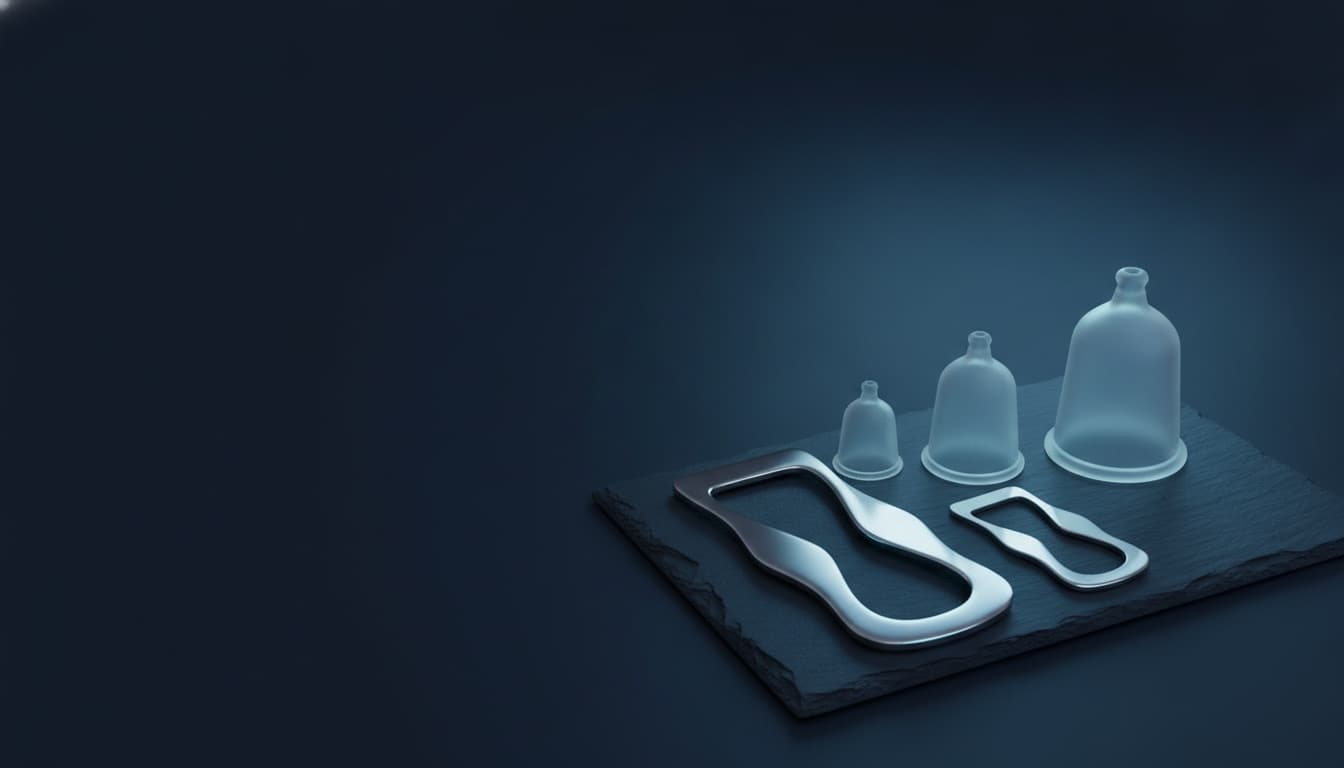
Cupping and IASTM (instrument-assisted soft tissue mobilization, often called muscle scraping) are the two tools we reach for when that’s the picture. Cupping lifts. It uses suction, and the working theory is that it decompresses the tissue layers and draws blood into the area. IASTM presses and glides. A smooth-edged instrument works along the restricted spot to find the grit and change how it moves. Different directions, same goal: tissue that slides again, so the joint underneath can move the way it’s built to.
Neither one is magic, and we’ll be straight about that. The research on both is mixed and mostly short-term. What they often do is buy a window: less guarding, more range, less of that first-rep ache. The work that makes the window last happens right after, when you move through the new range and load it. That’s why soft tissue work here always comes with movement attached.
How it works
Two tools, one hour, no fixed menu
Cupping for broad tightness, IASTM for stubborn spots, hands for the rest, and movement to lock it in. The exam decides the mix.
Cupping
Cups create suction on the skin and lift the tissue instead of pushing into it. They can sit in place for a few minutes or slide along the muscle. Suited to broad, diffuse tightness: a locked-up upper back, heavy quads and hamstrings, calves that never let go. Expect round marks. They fade over days to a week or two.
Muscle scraping (IASTM)
A smooth-edged instrument glides along the muscle or tendon at an angle. It tells the doctor where the tissue feels gritty and puts focused pressure exactly there. Suited to local, stubborn spots: a cranky Achilles or patellar tendon, a forearm that aches on every pull, the tissue around an old strain. Mild redness afterward is normal and short-lived.
Manual muscle work
Hands, not tools. Sustained pressure into an overworked muscle while you take the joint through its range. Often the first pass before cups or instruments come out, and sometimes all a muscle needs.
Movement to make it stick
The last part of every soft tissue block. Loaded stretches, controlled reps, or a lift through the range that just opened up. Tissue you don't use after treatment goes back to what it was doing before.
Zero adjustments
The soft tissue session
A full hour with no chiropractic adjustments: cupping, IASTM, manual muscle work, and guided movement, all of it aimed at recovery. It’s the visit for hard training weeks, taper weeks, and anyone who wants the hands-on work without manipulation.
Who it's for
For tissue that's tired of being told to stretch
Lifters and runners with tight calves, quads, forearms, and upper backs that foam rolling never fixes.
Calves, quads, hamstrings, or forearms that stay tight through every warm-up and every foam roller
Tendons that ache for the first few reps, settle down, then ache again the next day
Old strains and scar tissue that still feel thick or grabby months later
Heavy training blocks and race prep, when volume gets ahead of recovery
The pathway
Where soft tissue work fits in the four steps
Cups and instruments are a step-two tool that keeps paying off in step four. Here's what that looks like.
Assess & Collaborate
The exam decides which tool your tissue gets, and whether it needs one at all. Cups and instruments are chosen per case, not applied by default.
Reduce Pain
Where cupping and IASTM earn their place: calming guarded tissue and opening range fast, so the joint underneath can move.
Fix Your Patterns
New range without new control goes away. We load the pattern in the same visit so the tissue learns the new position.
Become Resilient
On big weeks, a soft tissue session keeps small tight spots from becoming next month's tendinopathy.
Before we start
When soft tissue work isn't the move
Cupping and IASTM are low-risk for most active adults. A few situations change the plan, and some symptoms need a physician before anyone works on the tissue.
Tell us before we start if you
- Take blood thinners, or have a bleeding or clotting disorder
- Are pregnant
- Have eczema, psoriasis, a rash, sunburn, or broken skin in the area
- Have a pacemaker, a heart condition, or a history of DVT or stroke
- Have anemia or a seizure disorder
None of that is an automatic no. It’s the screen that decides whether we use cups, use the instrument more gently, or skip both and stay hands-on. It takes a minute at the start of your exam.
Soft tissue work is also never the answer for a joint that’s suddenly hot and swollen, pain that wakes you at night, numbness or weakness that’s spreading, or pain that started with a fall or crash. Those get a physician first. We’ll take the rehab side once you’re cleared. Not sure which side of the line you’re on? Start with a free 15-minute call, and Dr. Nguyen will tell you straight.
Pricing
What it costs
Flat cash prices, published up front. Book the session that matches the week you're having.
Soft Tissue Session
$120
60 min
Cupping, IASTM, and targeted muscle work for recovery weeks. No adjustments, all tissue.
Book soft tissueTreatment Visit
$120
60 min · 30 min for $70
Adjustment plus rehab in every visit: manual therapy, guided movement, and a plan that progresses.
Book a visitThe treatment visit uses the same tools when your case calls for them, with adjustments and rehab in the same hour. Shockwave therapy for stubborn tendons is a separate conversation; ask about it at your exam. New to the clinic? Your first step is a free 15-minute call with Dr. Nguyen. The new patient exam comes next and fits the work to your case.
Questions
Straight answers
Does cupping hurt?
It shouldn't. The suction feels like a firm pull on the skin, and a moving cup feels like a deep, dragging massage. Most people describe it as intense but not painful. Afterward the area can feel a little sore or bruised for a day or so, the way it does after hard hands-on work. If anything sharp or truly painful shows up, say so. The pressure is adjustable in seconds and there's no prize for toughing it out.
How long do cupping marks last, and what do the colors mean?
The round marks are capillaries opened by suction, not bruises from a blow, and they usually fade in a week or two. People read a lot into the colors, but that evidence is thin. The shade mostly reflects how much suction was used and how easily your skin marks, not how 'toxic' or tight the tissue is. They are not a scoreboard, so we don't chase them. If you have a race, a photo, or a wedding coming up, say so and the cups stay off the spots that show.
Cupping vs IASTM: which one do I need?
It depends on the shape of the problem. Broad, diffuse tightness across a muscle group, like a locked-up upper back or heavy quads, usually gets cupping, because it can cover the whole area and lifts rather than digs. A small, stubborn, focal spot, like an Achilles or patellar tendon or a knot in the forearm, usually gets IASTM, because the instrument can find it precisely. Plenty of cases get both in the same session. The exam decides, not a menu.
Does muscle scraping (IASTM) hurt, and how many sessions does it take?
It's a deep, scraping pressure that most people rate as uncomfortable but fine, and Dr. Nguyen adjusts the angle and force as he goes. Some redness and mild tenderness afterward is normal and clears quickly. Session count depends on how long the tissue has been restricted and what you're loading it with between visits; a chronic tendon takes longer than a fresh knot. You'll get a realistic estimate at your exam, and the plan is written to end.
Can I get cupping and adjusted in the same visit?
Yes, and that's usually the right order. Soft tissue work first quiets the muscles guarding a stiff joint, so the adjustment often goes easier. Then we move through the range that just opened. That combination is what a standard treatment visit looks like here. If you'd rather skip adjustments entirely, book the soft tissue session instead: same tools, no manipulation.
Does cupping actually work, or is it placebo?
Probably some of both, and we'd rather say so. Reviews of cupping find the evidence limited and mixed, with results that are hard to separate from placebo and mostly short-term. What it often does in the room is reduce guarding and open range for a while. That is useful only if you use the window: move through the new range, load it, and repeat. If cupping is the whole plan, keep your money.
Keep reading
Where to go next

Ready to make your next move?
Talk it through with Dr. Nguyen on a free 15-minute telehealth call. No cost, no commitment.
Already know you’re ready? Book new patient exam