Service
Chiropractic recovery
Chiropractic recovery at Next Move is hands-on tissue work for active adults in Orlando: shockwave therapy, cupping, muscle scraping (IASTM), and muscle release technique, chosen after an assessment and layered into your training plan. It targets tight, overworked tissue and stubborn overuse pain, and it can be booked with or without adjustments.
The goal is tissue that keeps pace with your training, so you finish a heavy block fitter and with nothing new to rehab.
What it is
Recovery is training's other half
Hard training weeks leave a bill: tissue that tightens, range that shrinks, small overuse aches that show up at the start of every session. Ignore the bill long enough and it becomes an injury with your name on it.
Chiropractic recovery is how you stay ahead of it: shockwave therapy, cupping, muscle scraping (IASTM), and muscle release technique, layered into a plan that matches your training load. This isn’t a spa add-on. It’s targeted tissue work with a job to do: restore range, improve tissue quality, and let the next session start fresh.
Every tool below also shows up inside regular treatment visits whenever your case calls for it.
What's included
The recovery toolkit
Four modalities, chosen per case: what your tissue needs, not a fixed menu.
Shockwave therapy
Acoustic pulses delivered into stubborn, overworked tissue, most often the tendons that ache at the start of every session. It stimulates blood flow and the body's own healing response in spots that have gone quiet. Feels like fast tapping; a few minutes per site.
Cupping
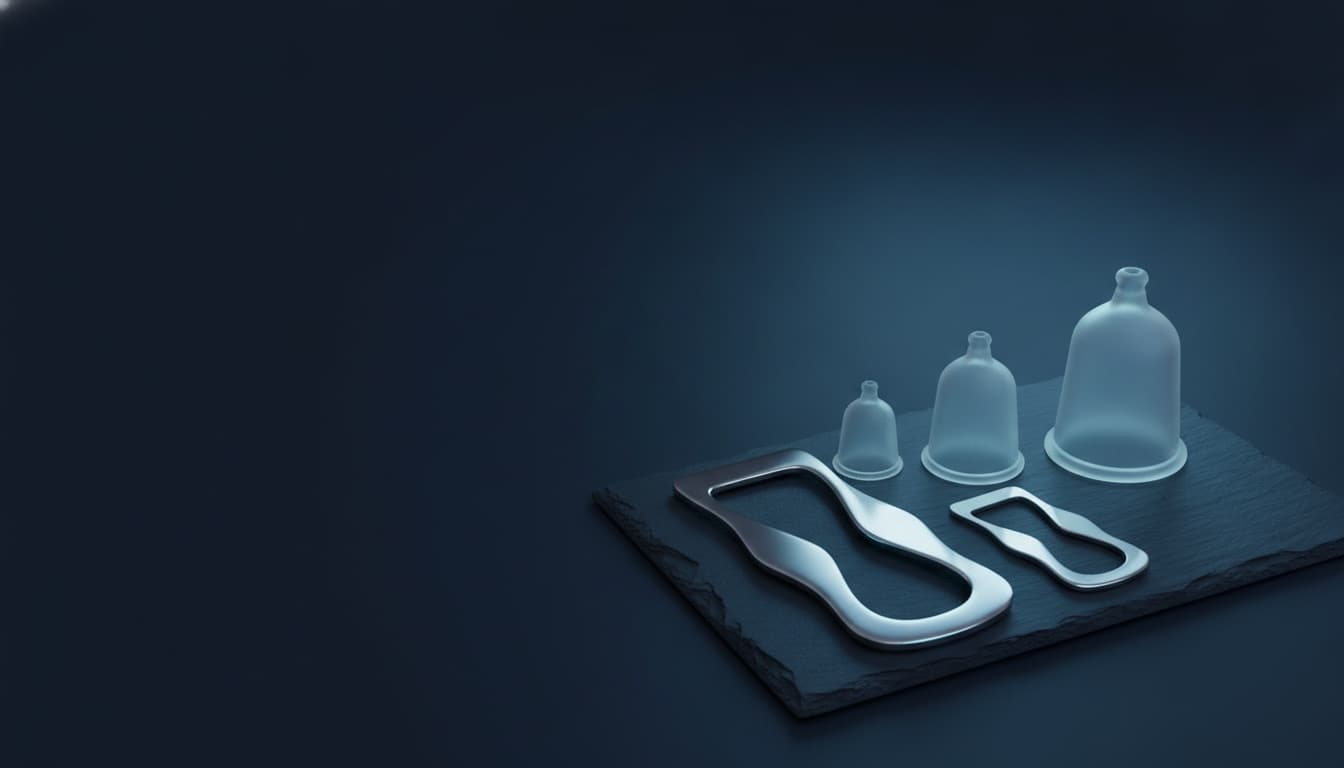
Negative pressure that lifts and decompresses tissue layers instead of compressing them. It improves local circulation and eases the deep tightness that stretching can't reach. The circular marks fade over days to a week or two.
Muscle scraping (IASTM)
Instrument-assisted work along muscle and fascia, targeting adhesions and restricted tissue to restore smooth glide between layers. Especially useful for chronically tight calves, quads, and forearms, and around old injuries.
Muscle release technique
Sustained hands-on pressure combined with active movement: you take the muscle through its range while it's pinned. One of the fastest ways to restore length and calm an overworked muscle.
Zero adjustments
The soft tissue session
A full hour focused entirely on muscle recovery and joint mobility: soft tissue therapy, cupping, IASTM, and guided stretching, with no chiropractic adjustments at all. Book it on recovery weeks, or any time you want the hands-on work without manipulation.
Who it's for
For bodies doing real volume
High-training-volume weeks, tight tissue, and stubborn overuse pain.
Peak training blocks, race prep, and comp season, when volume outpaces recovery
Tightness that stretching and foam rolling never actually fix
Stubborn overuse pain: tendons that complain at the start of every session
Anyone who wants hands-on care without chiropractic adjustments
The pathway
Where recovery fits in the four steps
Recovery tools earn their keep twice: early, to calm things down, and late, to keep you durable when training ramps back up.
Assess & Collaborate
Your exam determines which tools your tissue actually needs. Nobody gets the full menu by default.
Reduce Pain
The early payoff: shockwave, cupping, and IASTM settle irritated tissue fast.
Fix Your Patterns
Better tissue quality makes pattern retraining stick: restore the range first, then build control in it.
Become Resilient
Recovery sessions on hard training weeks keep small overuse issues from becoming next month's injury.
Pricing
What it costs
Flat cash prices, published up front. Pick the session that matches what your body needs this week.
Soft Tissue Session
$120
60 min
Cupping, IASTM, and targeted muscle work for recovery weeks. No adjustments, all tissue.
Book soft tissueTreatment Visit
$120
60 min · 30 min for $70
Adjustment plus rehab in every visit: manual therapy, guided movement, and a plan that progresses.
Book a visitThe treatment visit layers recovery tools into a full session, adjustments included, when your plan calls for both. New to the clinic? Your first step is a free 15-minute call with Dr. Nguyen. The new patient exam comes next and fits the work to your case.
Going deeper
What to expect after, and who should skip it
Expect to feel worked on. Cupping leaves round marks that fade over a few days to two weeks. Muscle scraping can leave some redness or light bruising along the treated line, which usually settles quickly. Shockwave can leave the tendon a little sore for a day or so. None of that should feel like an injury. Drink water, keep moving lightly, and don't hammer the same tissue in the gym that day unless we told you it's fine.
Some things are not normal, and you should call or email the doctor directly if they show up: blistering or broken skin under a cup, marks that last past two weeks, new numbness or tingling, sharp pain that keeps building instead of easing, or a fever. Those are rare. They're listed here because a page that only tells you the good part isn't doing its job.
Some people should skip cupping or IASTM entirely, or need a modified approach: pregnancy, a bleeding or clotting disorder, anemia, a pacemaker, cardiovascular disease, epilepsy, or a skin condition like eczema or psoriasis over the area. Blood-thinning medication belongs in that conversation too. Nothing here is a hard verdict from a web page. It's a screen, and it happens during your exam before any tool touches your skin.
This is one of the places the full hour matters. Screening, the tissue work itself, and the movement that follows all fit inside one visit with the doctor. In a volume model, tissue work is often a short add-on tacked onto the end of a visit. Here it's part of the plan, done by the person who assessed you, at a dose that matches your training week.
Questions
Straight answers
What is the difference between the soft tissue session and a treatment visit?
A treatment visit is the whole plan in one hour: assessment, an adjustment where a joint is restricted, hands-on tissue work where the tissue is the problem, then movement to lock the change in. The soft tissue session is an hour of tissue work with no adjustments at all, built for recovery weeks and for anyone who wants hands-on care without manipulation. Both run 60 minutes, one-on-one with Dr. Nguyen, and the treatment visit also comes as a shorter 30-minute visit for $70.
Do I need a new patient exam before booking a soft tissue session?
If you're new here, yes. Start with a free 15-minute telehealth consult with Dr. Nguyen to talk through what's going on and whether recovery work fits. The exam is the next step. It's where the tissue actually gets assessed, and it's what decides which tools your case needs instead of handing you the full menu by default. Once you've been examined, recovery work can be booked when a training block calls for it.
How often should I book recovery work during a heavy training block or race prep?
There's no fixed schedule, and you won't be sold one. Frequency follows your training load: the heaviest weeks of a block, the taper into a race, or a stretch where the same tissue keeps complaining are when it earns its keep. Quieter weeks need less. Dr. Nguyen sets the spacing at your exam and adjusts it as your volume changes, and the plan is written to end.
Which tool do I need: shockwave, cupping, IASTM, or muscle release?
That's what the assessment is for, and the short version runs like this. Widespread tightness through a calf, quad, or upper back usually points toward cupping. A small restriction you can put a finger on points toward IASTM. A tendon that has been irritated for months points toward shockwave. A muscle that needs its length back points toward release work. Cupping and IASTM have their own page with the detail, and so does shockwave.
Can I come in for recovery work if nothing actually hurts?
Yes, and that's a good part of what this is for. A hard training block leaves tissue tight and range shrinking well before anything hurts enough to call an injury. You still get examined before any recovery work, because 'nothing hurts' and 'nothing is wrong' aren't the same finding. What shows up on assessment decides whether your tissue needs hands-on work, better loading, or nothing at all. Sometimes the honest answer is that you're fine and should keep training.
Does recovery work replace rehab and strength training?
No, and that's the main thing to understand about it. Tissue work restores range and calms irritated tissue, which opens a window. What fills that window is loading: the movement and strength work that teaches the tissue to handle what you're asking of it. Recovery work on its own tends to feel good for a few days and then fade. Paired with training that progresses, the change holds.
Keep reading
Where to go next

Ready to make your next move?
Talk it through with Dr. Nguyen on a free 15-minute telehealth call. No cost, no commitment.
Already know you’re ready? Book new patient exam